A lazy eye, also known as strabismus, is a condition in which the eyes do not align properly, causing one eye to turn inward, outward, upward, or downward. This can occur in childhood or adulthood and can affect one or both eyes. Lazy eye is a common condition, affecting about 4% of the population.
While a lazy eye can sometimes be a sign of an underlying medical condition, such as a muscle imbalance or a problem with the brain, it is often simply a developmental issue. In most cases, lazy eye can be corrected with eyeglasses, eye exercises, or surgery. Early diagnosis and treatment are important to prevent vision problems and other complications.
There are many famous actors who have lazy eye, including Kristen Stewart, Mila Kunis, and Brad Pitt. These actors have not let their lazy eye hold them back from achieving success in their careers. In fact, some actors have even said that their lazy eye gives them a unique look that helps them stand out from the crowd.
Actors with a Lazy Eye
A lazy eye, also known as strabismus, is a condition in which the eyes do not align properly, causing one eye to turn inward, outward, upward, or downward. This can occur in childhood or adulthood and can affect one or both eyes. Lazy eye is a common condition, affecting about 4% of the population.
- Definition: Misalignment of the eyes, causing one eye to turn
- Causes: Muscle imbalance or brain problems, often developmental
- Symptoms: Eyes that do not align properly, double vision, poor depth perception
- Diagnosis: Eye exam by an ophthalmologist
- Treatment: Eyeglasses, eye exercises, surgery
- Famous actors with lazy eye: Kristen Stewart, Mila Kunis, Brad Pitt
- Impact on acting: Can give actors a unique look that helps them stand out
- Challenges: Depth perception issues can make it difficult to perform certain tasks
- Acceptance: Many actors with lazy eye have not let it hold them back from achieving success
Lazy eye is a condition that can affect anyone, including actors. While it can sometimes be a challenge, it is important to remember that lazy eye does not have to hold you back from achieving your dreams. With early diagnosis and treatment, most people with lazy eye can go on to live full and active lives.
Definition
Lazy eye, also known as strabismus, is a condition in which the eyes do not align properly, causing one eye to turn inward, outward, upward, or downward. This misalignment can occur in childhood or adulthood and can affect one or both eyes. Lazy eye is a common condition, affecting about 4% of the population.
There are many causes of lazy eye, including muscle imbalance, problems with the brain, and developmental issues. In some cases, lazy eye can be a sign of an underlying medical condition, such as a tumor or other neurological problem. However, in most cases, lazy eye is simply a developmental issue that can be corrected with eyeglasses, eye exercises, or surgery.
For actors, lazy eye can be a challenge, as it can affect their depth perception and make it difficult to perform certain tasks, such as driving or playing sports. However, many actors with lazy eye have not let it hold them back from achieving success in their careers. In fact, some actors have even said that their lazy eye gives them a unique look that helps them stand out from the crowd.
Some famous actors with lazy eye include Kristen Stewart, Mila Kunis, and Brad Pitt. These actors have all had successful careers in film and television, despite their lazy eye. Their success shows that lazy eye does not have to be a barrier to success.
Causes
Muscle imbalance or brain problems can often lead to the development of lazy eye. In the case of muscle imbalance, the muscles that control the eye movement may be too weak or too strong, causing the eye to turn inward, outward, upward, or downward. Brain problems, such as cerebral palsy or stroke, can also affect the muscles that control the eye movement, leading to lazy eye.
- Muscle Imbalance
Muscle imbalance can be caused by a variety of factors, including genetics, injury, and disease. In the case of actors, muscle imbalance can be caused by the physical demands of their job, such as staring at a computer screen or performing stunts. - Brain Problems
Brain problems that can lead to lazy eye include cerebral palsy, stroke, and tumors. These conditions can damage the areas that control eye movement, leading to misalignment of the eyes. - Developmental Issues
Lazy eye can also be caused by developmental issues that occur in the womb or during infancy. These issues can affect the development of the muscles that control the eye movement or the brain areas that control eye movement. - Other Causes
In some cases, lazy eye can be caused by other factors, such as farsightedness or nearsightedness. These conditions can make it difficult for the eyes to focus properly, leading to misalignment of the eyes.
Lazy eye can have a significant impact on the lives of actors. It can make it difficult to perform certain tasks, such as driving or playing sports. It can also lead to social problems, as people with lazy eye may be teased or bullied. However, there are a number of treatments available for lazy eye, including eyeglasses, eye exercises, and surgery. With early diagnosis and treatment, most people with lazy eye can go on to live full and active lives.
Symptoms
The symptoms of lazy eye can vary depending on the severity of the condition. Some people with lazy eye may only have mild symptoms, while others may have more severe symptoms that can affect their daily lives. Common symptoms of lazy eye include:
- Eyes that do not align properly
- Double vision
- Poor depth perception
For actors, lazy eye can be a challenge, as it can affect their depth perception and make it difficult to perform certain tasks, such as driving or playing sports. However, many actors with lazy eye have not let it hold them back from achieving success in their careers. In fact, some actors have even said that their lazy eye gives them a unique look that helps them stand out from the crowd.
Some famous actors with lazy eye include Kristen Stewart, Mila Kunis, and Brad Pitt. These actors have all had successful careers in film and television, despite their lazy eye. Their success shows that lazy eye does not have to be a barrier to success.
Diagnosis
For actors, an accurate and timely diagnosis of lazy eye is crucial as it can significantly impact their ability to perform their craft effectively. An eye exam by an ophthalmologist is the primary method for diagnosing lazy eye, and it involves a comprehensive evaluation of the eyes and their alignment. During the exam, the ophthalmologist will assess the eye muscles, check for any refractive errors, and rule out any underlying medical conditions that may be causing the lazy eye.
Early diagnosis is essential for managing lazy eye in actors, as it allows for prompt intervention and treatment. Without proper diagnosis and treatment, lazy eye can lead to permanent vision problems, such as amblyopia, which can significantly impair an actor's ability to perform on stage or screen. Therefore, actors who suspect they may have lazy eye should seek a professional eye exam as soon as possible.
Several famous actors have publicly discussed their experiences with lazy eye, including Kristen Stewart, Mila Kunis, and Brad Pitt. These actors have all undergone eye exams and received appropriate treatment for their condition, allowing them to successfully pursue their acting careers. Their stories highlight the importance of timely diagnosis and treatment for actors with lazy eye.
Treatment
In the context of lazy eye, actors face unique challenges due to the nature of their profession. Their ability to accurately perceive depth and maintain proper eye alignment is crucial for delivering convincing performances. Therefore, understanding the treatment options available for lazy eye is essential for actors seeking to manage their condition and excel in their careers.
- Eyeglasses
Corrective lenses can help improve vision and reduce the severity of lazy eye. Actors who wear eyeglasses may experience improved depth perception and better overall visual acuity. - Eye Exercises
Regular eye exercises, such as patching or using prisms, can strengthen the eye muscles and improve eye alignment. Actors may incorporate these exercises into their daily routine to enhance their eye coordination and control. - Surgery
In severe cases, surgery may be necessary to correct the underlying muscle imbalance causing lazy eye. Actors who undergo surgery may experience significant improvement in their eye alignment and visual function.
The choice of treatment for lazy eye in actors depends on various factors, including the severity of the condition, the actor's age, and their individual preferences. By exploring the available treatment options, actors can make informed decisions about managing their lazy eye and optimizing their performance potential.
Famous actors with lazy eye
Actors with lazy eye, a condition where the eyes do not properly align, face unique challenges in their profession. However, several famous actors, including Kristen Stewart, Mila Kunis, and Brad Pitt, have successfully navigated their careers despite this condition.
The presence of famous actors with lazy eye highlights the fact that this condition does not have to be a barrier to success. These actors serve as role models for aspiring actors who may have similar concerns. Their visibility in the entertainment industry helps to normalize lazy eye and raises awareness about its management and treatment.
The experiences of famous actors with lazy eye also provide valuable insights for the broader community. By openly discussing their condition, these actors help to reduce stigma and promote understanding. They demonstrate that individuals with lazy eye can lead fulfilling lives and achieve their goals, including in fields that require precise visual skills.
Overall, the presence of famous actors with lazy eye is a positive development in the entertainment industry and beyond. It challenges stereotypes, promotes inclusivity, and provides inspiration for individuals facing similar challenges.
Impact on acting
Actors with lazy eye, a condition where the eyes do not properly align, often face unique challenges in their profession. However, this condition can also give actors a distinct look that can help them stand out and contribute to their success.
- Expressive Potential
Lazy eye can add depth and nuance to an actor's performance. The misalignment of the eyes can create a sense of mystery or vulnerability, which can be particularly effective in dramatic roles. Actors with lazy eye may also use their eyes to convey emotions in a subtle and powerful way.
- Memorable Appearance
Actors with lazy eye often have a distinctive appearance that can make them easily recognizable. This can be an advantage in the entertainment industry, where actors are constantly striving to stand out from the crowd. Actors with lazy eyes may be more likely to be cast in roles that require a unique or unconventional look.
- Versatility
Lazy eye can give actors greater versatility in their roles. They can play characters who are both sympathetic and flawed, or who have a sense of mystery or intrigue. Actors with lazy eye may also be able to more easily transition between different genres, as their unique appearance can help them adapt to a wide range of roles.
Overall, while actors with lazy eye may face some challenges, this condition can also give them a unique advantage in their careers. Actors with lazy eye can use their distinctive look to create memorable and nuanced performances, and they may be more likely to be cast in roles that require a unique or unconventional appearance.
Challenges
Actors with lazy eye often face challenges with depth perception, which is the ability to judge the distance and spatial relationships between objects. This can make it difficult to perform certain tasks, such as driving, playing sports, or performing on stage. For actors, depth perception is crucial for accurately gauging distances and movements, which can affect their performance and safety.
For example, an actor with lazy eye may have difficulty judging the distance between themselves and other actors on stage, which can lead to awkward or unnatural movements. They may also have trouble gauging the distance of props or set pieces, which can increase the risk of accidents or injuries. In some cases, actors with lazy eye may be unable to perform certain roles or stunts that require precise depth perception.
Despite these challenges, many actors with lazy eye have found ways to overcome or manage their condition. Some actors use special techniques or exercises to improve their depth perception. Others rely on their other senses, such as hearing and touch, to compensate for their visual limitations. With hard work and dedication, actors with lazy eye can achieve success in their careers and overcome the challenges posed by their condition.
Acceptance
Despite the challenges they may face, many actors with lazy eye have not let it hold them back from achieving success. This is due to a number of factors, including:
- Self-Acceptance
Actors with lazy eye who have accepted their condition are more likely to be successful in their careers. They are able to see their lazy eye as a unique characteristic that makes them stand out from the crowd. They are also more likely to be confident in their abilities and to pursue their dreams. - Support from Others
Actors with lazy eye who have the support of family, friends, and colleagues are more likely to achieve success. This support can help them to overcome the challenges they face and to stay motivated. It can also help them to build confidence and to believe in themselves. - Hard Work and Dedication
Actors with lazy eye who are willing to work hard and dedicate themselves to their craft are more likely to be successful. They are able to overcome the challenges they face and to achieve their goals through hard work and perseverance. - Inspiration
Actors with lazy eye who are inspired by others who have achieved success are more likely to achieve success themselves. They are able to see that it is possible to overcome the challenges they face and to achieve their dreams. They can also learn from the experiences of others and apply what they have learned to their own lives.
The success of actors with lazy eye is a testament to the power of acceptance, hard work, and dedication. It shows that it is possible to overcome any challenge and to achieve your dreams, no matter what obstacles you may face.
FAQs about Actors with Lazy Eye
Actors with lazy eye, also known as strabismus, face unique challenges and considerations in their profession. Here are answers to some frequently asked questions about actors with lazy eye:
Question 1: Can actors with lazy eye succeed in their careers?
Yes, many actors with lazy eye have achieved great success in their careers. They have learned to manage the challenges of their condition and use their unique characteristics to their advantage.
Question 2: What are the challenges that actors with lazy eye face?
Actors with lazy eye may face challenges with depth perception, which can affect their ability to perform certain tasks, such as driving, playing sports, or performing on stage. They may also experience teasing or bullying from others.
Question 3: How do actors with lazy eye overcome the challenges they face?
Actors with lazy eye overcome challenges by accepting their condition, seeking support from others, working hard and dedicating themselves to their craft, and drawing inspiration from others who have achieved success.
Question 4: Are there any famous actors with lazy eye?
Yes, there are many famous actors with lazy eye, including Kristen Stewart, Mila Kunis, and Brad Pitt.
Question 5: What advice would you give to aspiring actors with lazy eye?
Aspiring actors with lazy eye should embrace their unique characteristics and work hard to achieve their dreams. They should seek support from others and never give up on their goals.
Question 6: What is the most important thing for actors with lazy eye to remember?
The most important thing for actors with lazy eye to remember is that they are capable of achieving anything they set their minds to. They should never let their condition hold them back from pursuing their dreams.
Summary: Actors with lazy eye face unique challenges, but they can overcome these challenges and achieve success in their careers. They are talented and dedicated individuals who deserve our respect and admiration.
Transition to the next article section: In the next section, we will discuss the importance of representation for actors with lazy eye.
Tips for Actors with Lazy Eye
Actors with lazy eye, also known as strabismus, can face unique challenges in their careers. However, by following these tips, they can overcome these challenges and achieve success.
Tip 1: Embrace your unique characteristics.
Your lazy eye is a part of what makes you unique and special. Embrace it and use it to your advantage. Many actors with lazy eye have found success in their careers by playing characters with unique or unconventional looks.
Tip 2: Seek support from others.
Talk to your family, friends, and colleagues about your lazy eye. They can provide you with support and encouragement. You can also connect with other actors with lazy eye through online forums or support groups.
Tip 3: Work hard and dedicate yourself to your craft.
Success in acting requires hard work and dedication. Be prepared to put in the time and effort to develop your skills and achieve your goals. Take acting classes, practice your craft, and never give up on your dreams.
Tip 4: Draw inspiration from others.
Look to other actors with lazy eye who have achieved success in their careers. Their stories can inspire you and show you that it is possible to overcome the challenges you face.
Tip 5: Never give up on your dreams.
No matter what challenges you face, never give up on your dreams of becoming an actor. With hard work, dedication, and support from others, you can achieve anything you set your mind to.
Summary: By following these tips, actors with lazy eye can overcome the challenges they face and achieve success in their careers. They can embrace their unique characteristics, seek support from others, work hard and dedicate themselves to their craft, draw inspiration from others, and never give up on their dreams.
Conclusion: Actors with lazy eye are talented and dedicated individuals who deserve our respect and admiration. They face unique challenges, but they can overcome these challenges and achieve success in their careers.
Conclusion
Actors with lazy eye, also known as strabismus, face unique challenges in their careers, but they can overcome these challenges and achieve success. With hard work, dedication, and support from others, they can turn their unique characteristics into an advantage and achieve their dreams. Actors with lazy eye are inspiring examples of how anything is possible if you set your mind to it.
As we continue to strive for greater representation and inclusion in the entertainment industry, it is important to recognize the contributions of actors with lazy eye. Their stories and experiences can help to break down stereotypes and promote understanding. By embracing diversity and showcasing the talents of all actors, we can create a more inclusive and vibrant entertainment industry.
Unveiling Chrishell's Transformation: Insights And Discoveries
Unveiling The Truth: Chris Watts' Sister Reveals Unseen Truths
Unveiling The Family Legacy: Discover If Dr. Pol Has A Daughter
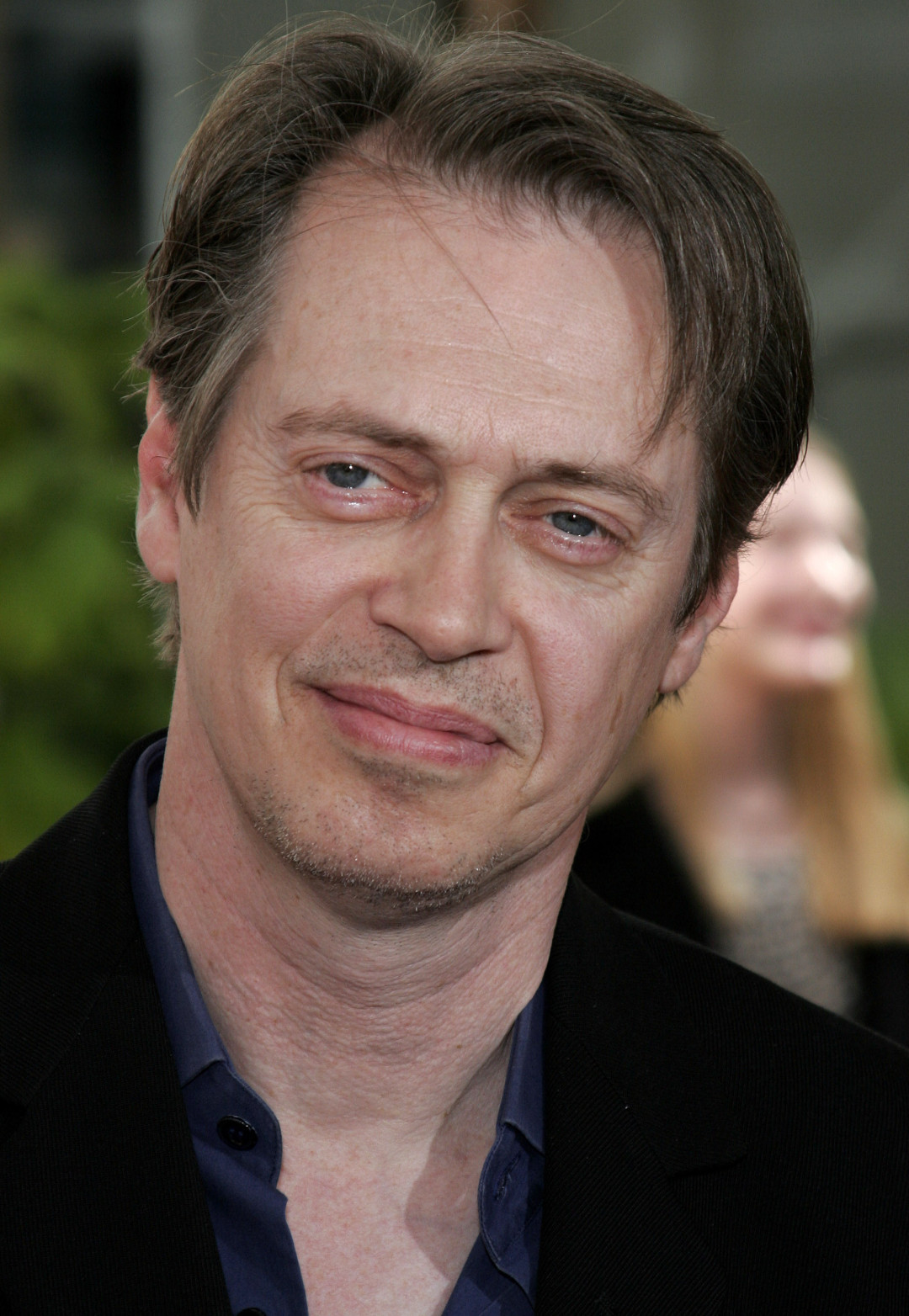
Celebrities you never noticed have lazy eyes

Celebrities you never noticed have lazy eyes
ncG1vNJzZmislajAonrApqpsZpSetKrAwKWmnJ2Ro8CxrcKeqmebn6J8oq%2FTqKmsZaeewal5wGajmrKpYrK6sY2hq6ak